

Zero Miles, Infinite Snacks
Content First Appeared on The Trek
What do hikers actually do on a zero day?
You’d think “zero” means zero walking, but nope. It usually means racking up 10,000–12,000 steps between the coffee shop, the laundromat, and the grocery store.
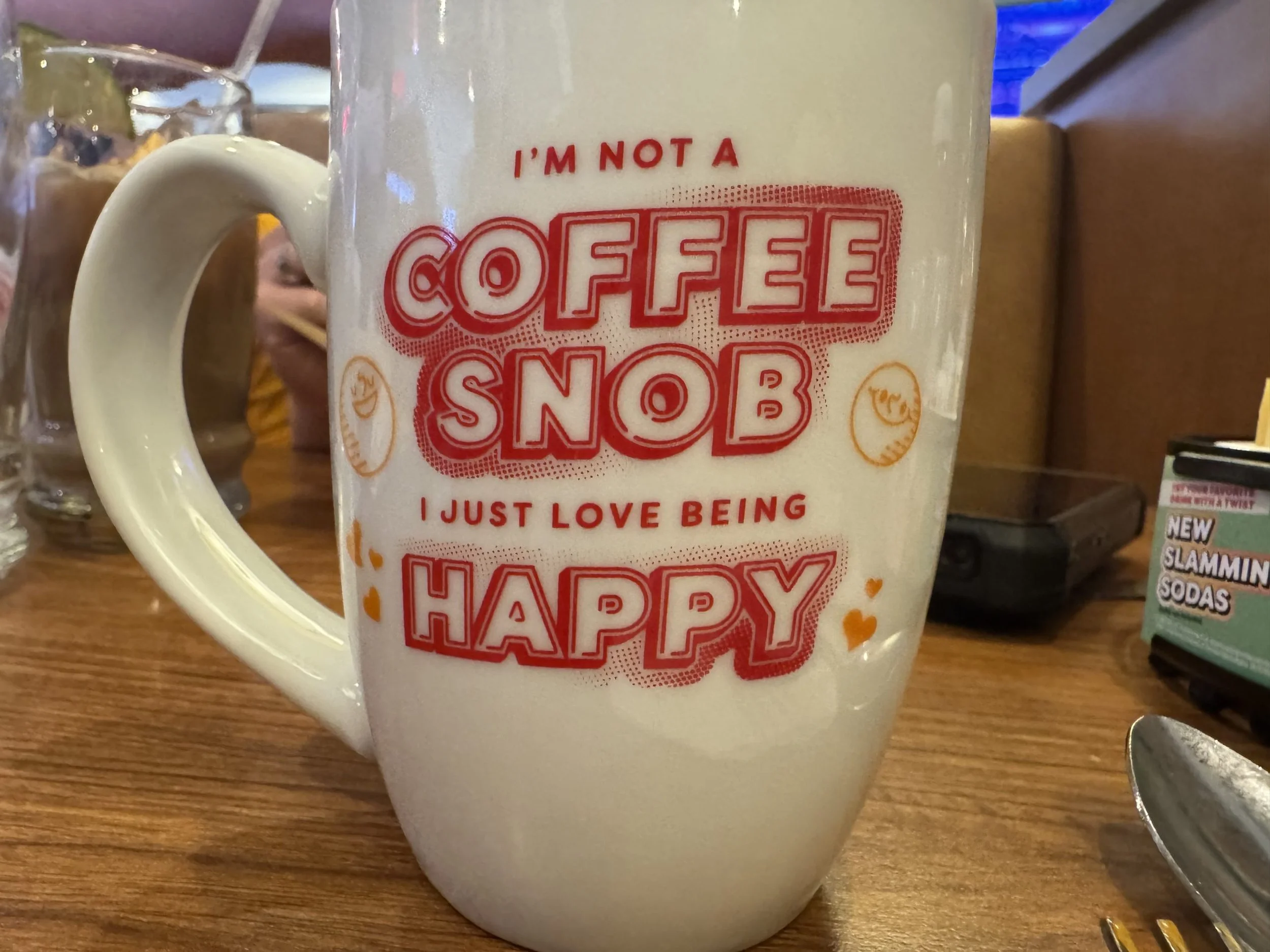
Image Source: Paige Combs, “Coffee at Denny’s,” April 2025.
A proper zero day features stuffing your face with town food, crashing at the nearest motel or hostel, and pretending you’re planning the next section while mostly scrolling on your phone.
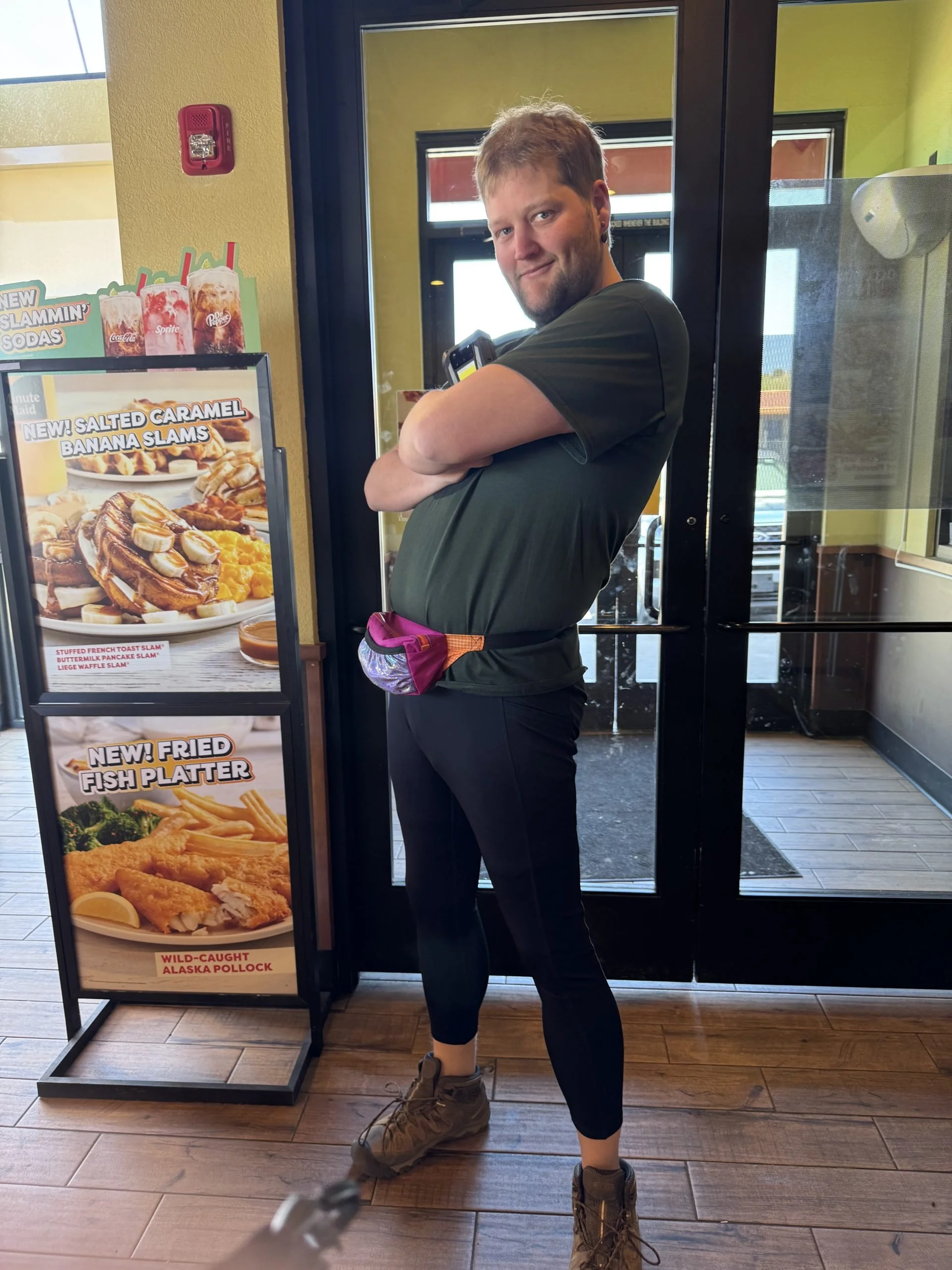
Image Source: Paige Combs, “Aquaman’s New Town Day Outfit,” April 2025.
Blistered Feet and Grocery Receipts
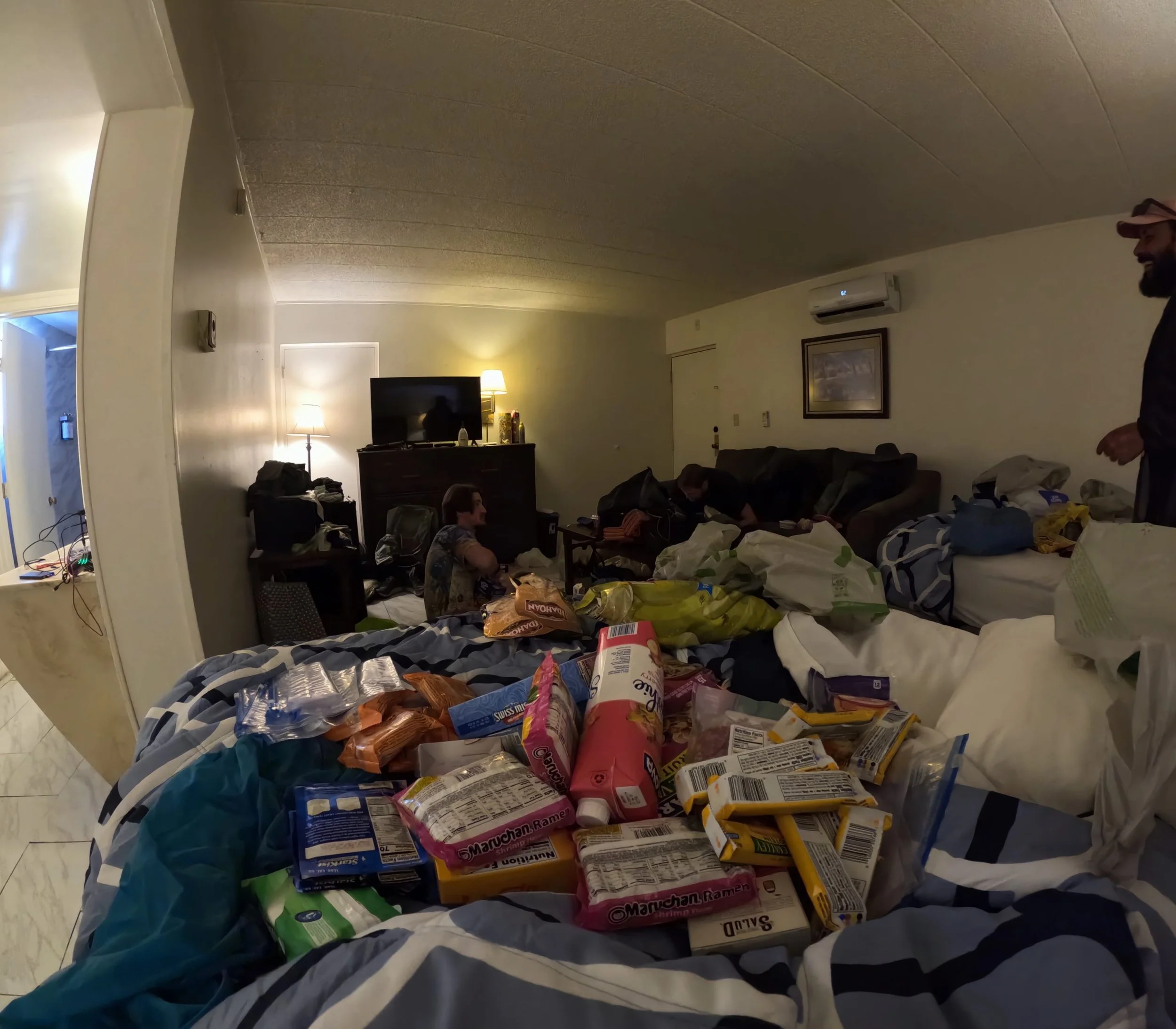
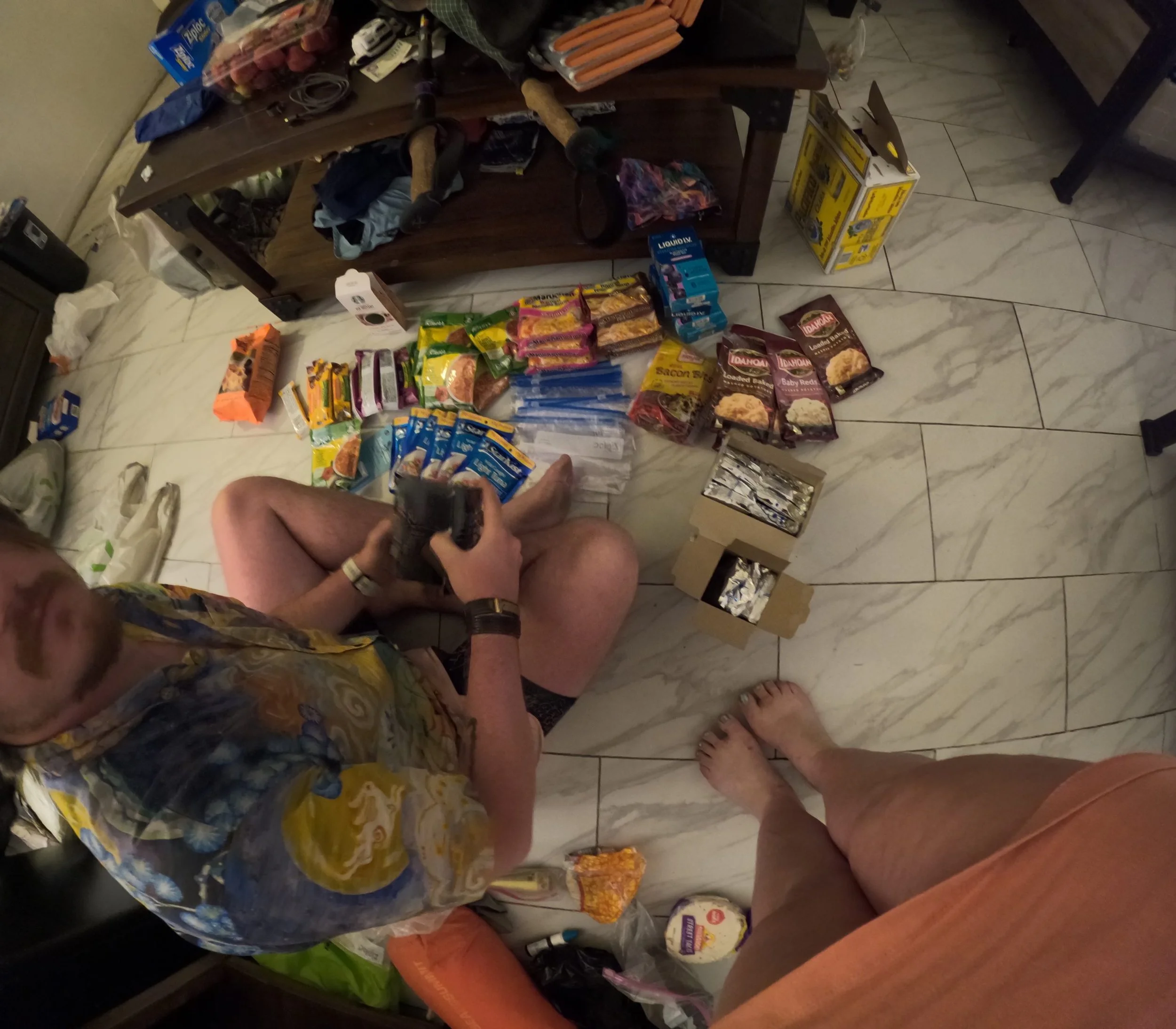
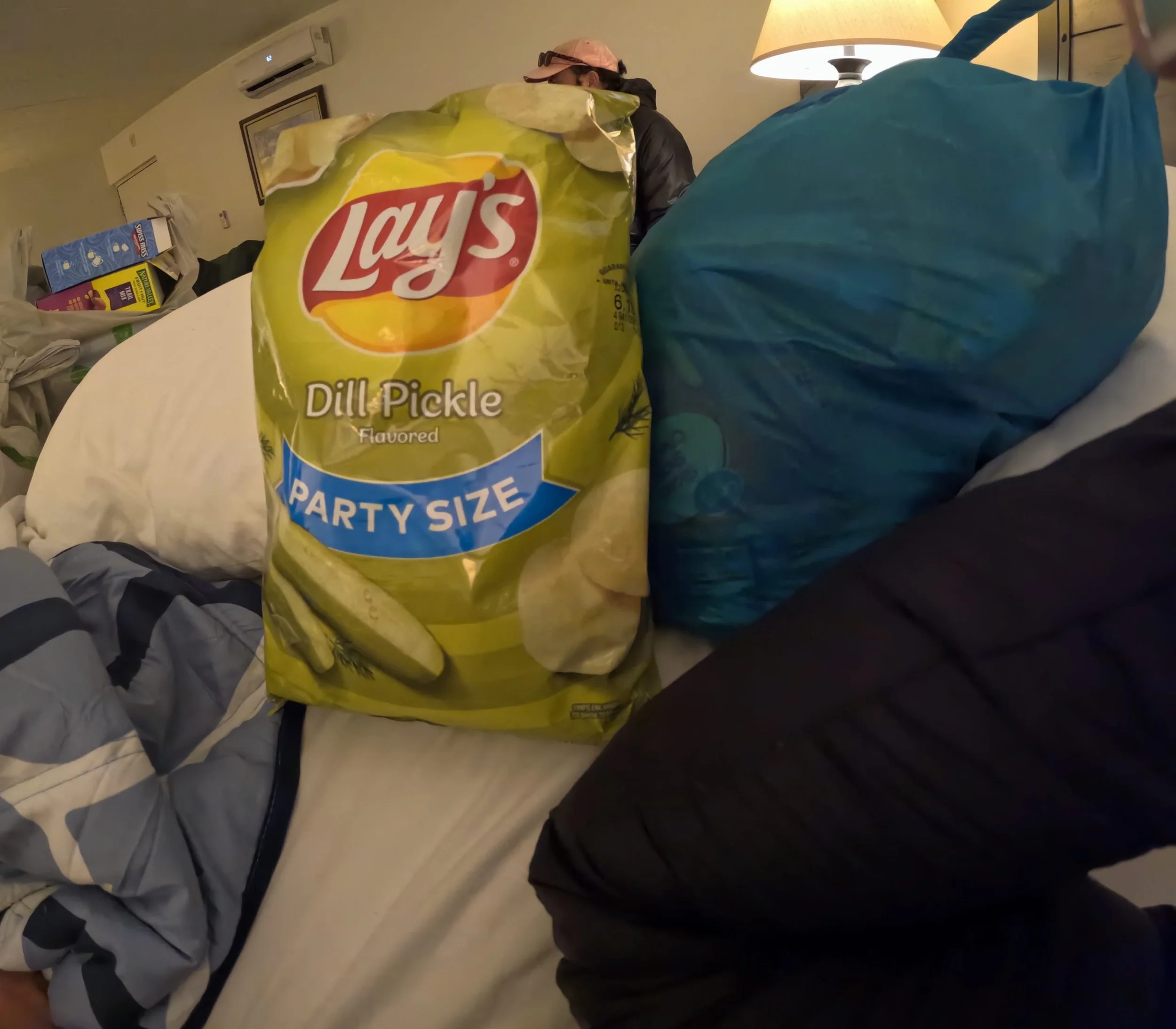
Hikers eat all kinds of food on trail, but the common theme is always the same: calorie-dense, shelf-stable, and as lightweight as possible. While taking a zero day in Silver City (thanks to some gnarly blistered feet), we managed to catch a ride to Walmart for a budget-friendly resupply. Other shops in town can get pricey fast, so when you hit a cheaper store, it’s smart to stock up or even send a resupply box forward for future sections.
When I plan a resupply, here’s what I’m thinking about:
How many days will I be on trail?
Breakfast: Coffee (mandatory) plus around 500 calories of something quick and easy. No cooking — mornings are for walking, not gourmet meals.
Lunch: Electrolyte mix and about 700–1000 calories of stuff I can eat cold or heat up if I’m feeling fancy.
Dinner: Tea (because hydration can be fun) and 1500+ calories of hot food that feels like an actual meal.
Snacks: Little bars or candies to keep me moving between miles.
This system has worked best for me so far. I don’t want to deal with cooking at sunrise. I’d rather pack up and hike. Lunch needs to be flexible: edible cold, but better if heated. Dinners are the real reward, usually something rehydrated that I can enjoy while zoning out before bed.
Since I was buying enough food for about 12 days (covering two different sections), the whole haul, including shipping a box ahead, came out to around $150. Not too bad for eating like a semi-feral goblin with a solid calorie budget.
Gear and Miscellaneous Supply
Resupply runs aren’t just about food; they’re a good time to check in on all the random but crucial stuff too. I always do a quick mental run-through of my toiletries: toothpaste, floss, baby wipes, painkillers, sunscreen, powder… basically the things that keep me from becoming a complete gremlin.
It’s also the perfect time to check on your feet, the real MVPs of the trail. In town, I realized my shoes were looking rough (completely cooked). They wore down faster than expected since they were already a bit used before I started hiking. Time to swing by a local shop and snag a fresh pair of kicks.
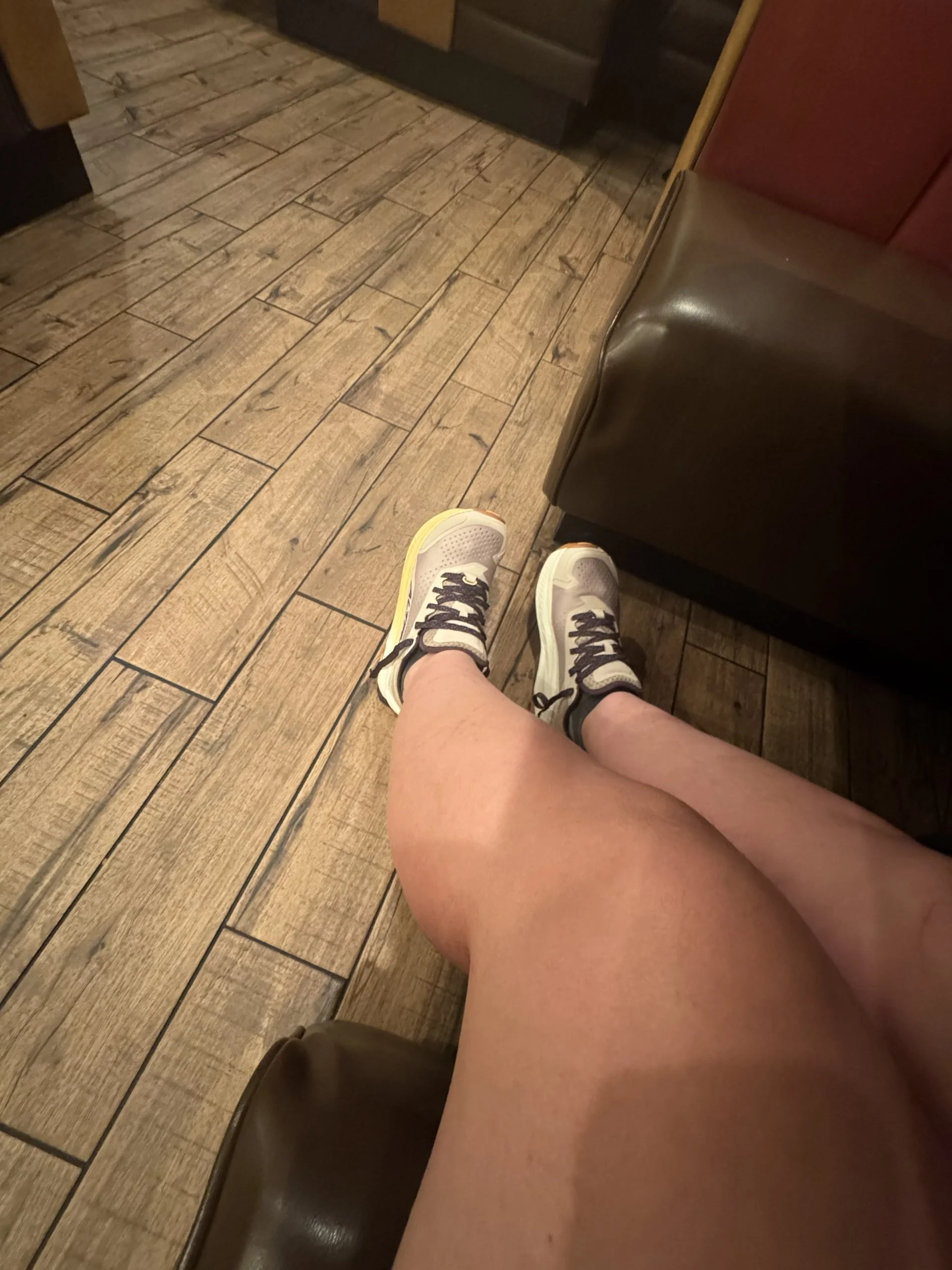
Image Source: Paige Combs, “Kickin’ it At Dennys,” April 2025.
Relaxation Also Required
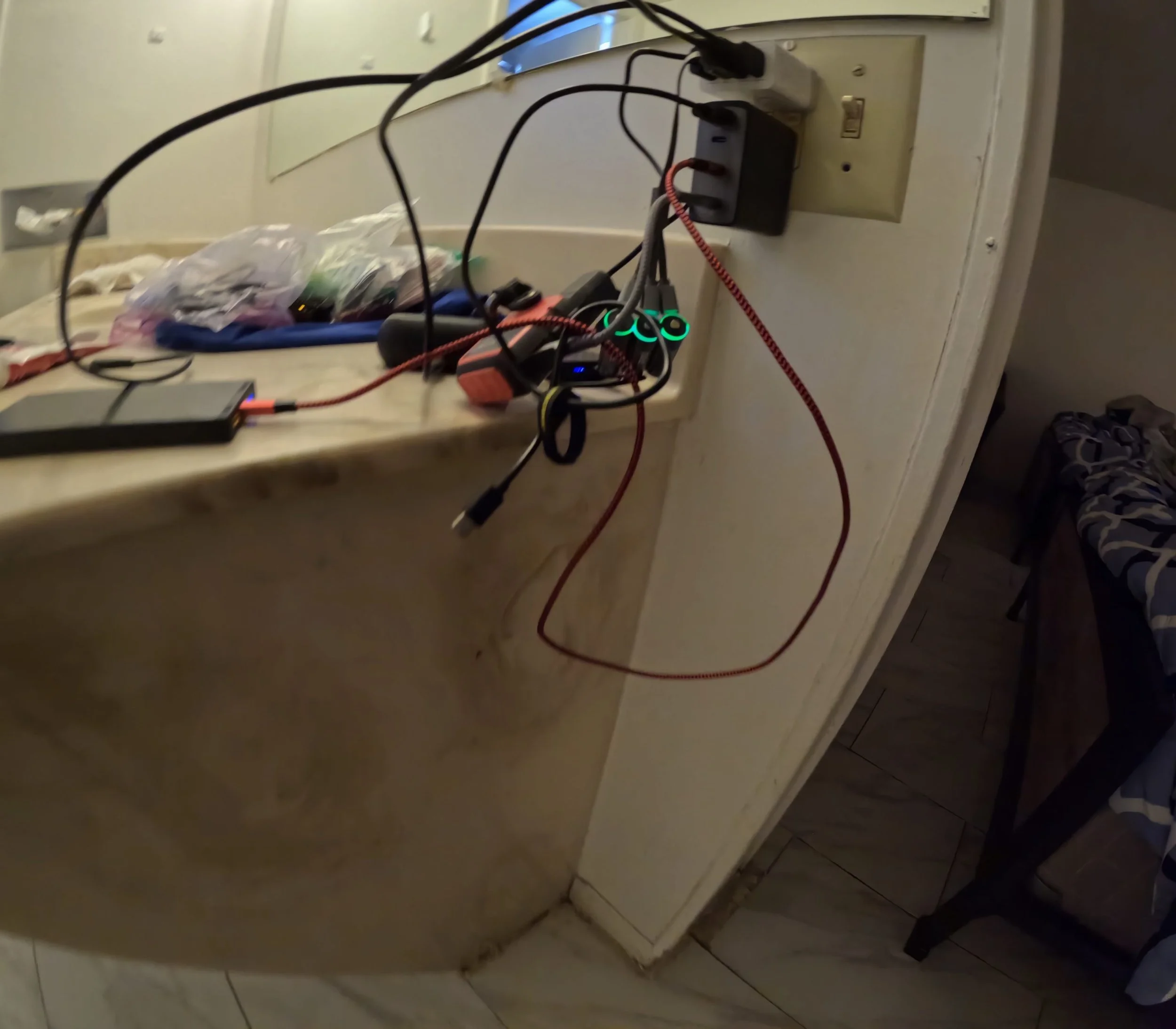
Another critical part of a zero day: recharging all the batteries.
Actual batteries: Your battery pack, phone, earbuds — plug it all in.
Social battery: Catch up with fellow hikers, swap some trail gossip, or just chill together.
Physical battery: Sleep. Eat. Rest. Soak your poor, abused feet. Repeat.
Mental battery: Write, watch a show, call family or friends, whatever reminds you you’re still a normal human being (kind of).
Being on trail is hard work. Don’t let anyone tell you otherwise! Planning ahead for each section takes a lot of the mental weight off, which leaves you free to focus on the important stuff: like walking, eating snacks, and trying not to trip over your own trekking poles.
Stats in the Wilderness:
Temperature Range: 37 °- 88°
General Location: Silver City / Gila Wilderness
Indigenous Land: Chiricahua Apache
Whose land am I on? Learn why it’s important to respect the land we travel on.
