

My CDT Gear List: Building Your Hiker Avatar
Content First Appeared on The Trek
You know how the saying goes: hike your own hike (HYOH). Much like a gamer develops their character, hikers craft their gear kit to fit their hiking style. There are some essentials that we all need on the trail, but what you choose is where your strengths might vary. Most experienced hikers know durability, weight, and cost ratios are important. However, at a certain price point, gear will eventually have very similar stats. Here your choices are further narrowed by preference.
Be Prepared
This is the single most important part when planning for your hike. Each trail has some general recommendations due to the specific weather conditions and wildlife you may encounter. My gear review so far is based on past experiences, my style of hiking, and planning for my upcoming thru-hike on the Continental Divide Trail (CDT).
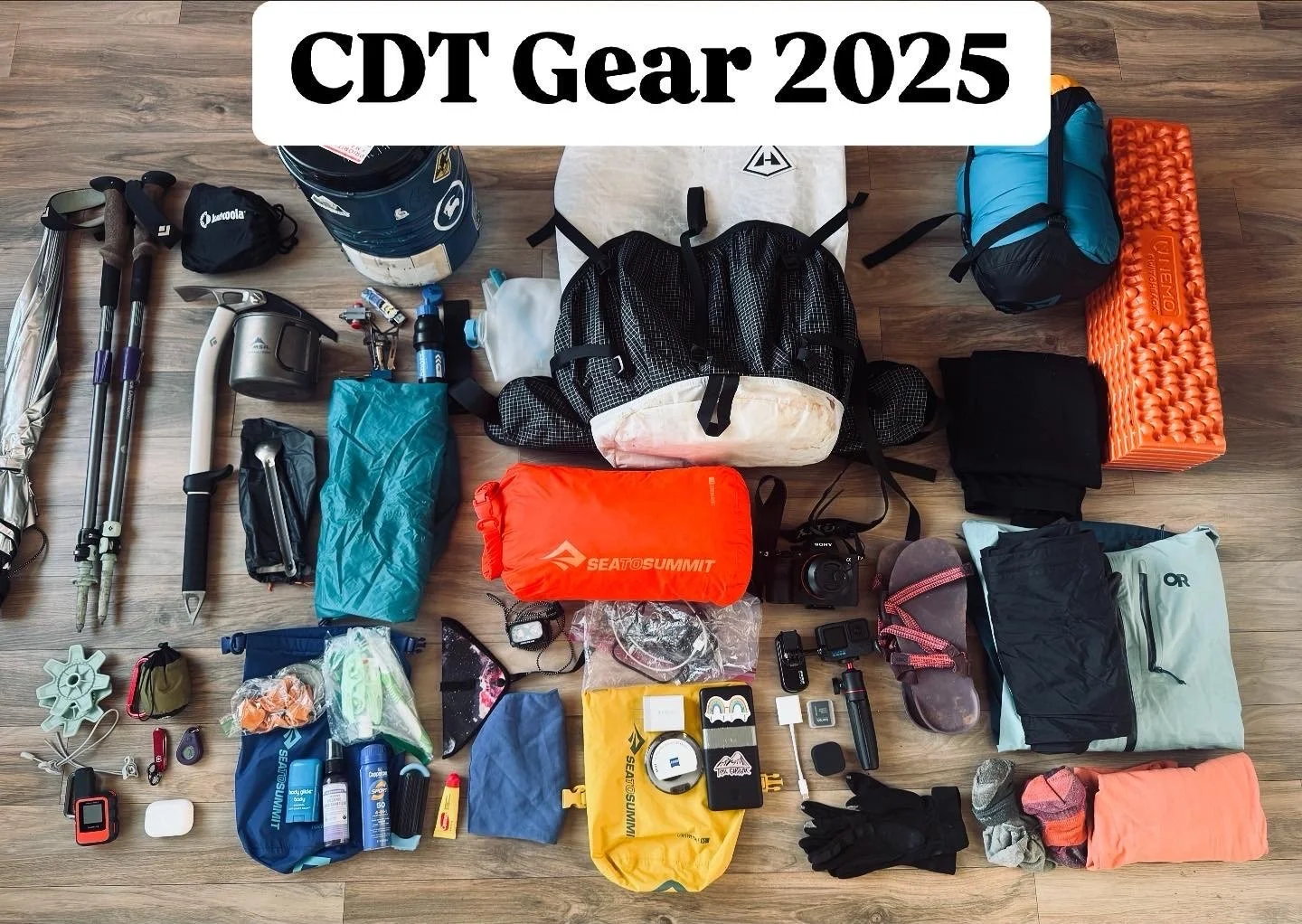
Image Source: Paige Combs, "CDT Gear List," 2025.
Shelter - Big Agnes Tiger Wall UL3
I aspire to be a Durston fan, using my trekking poles to hold my tent steady against windy nights. However, I would probably be safer sleeping in a cave or cowboying under the night sky. The Big Agnes Tiger Wall is:
Lightweight
Freestanding
Spacious (for all my things or additional guests)
Full of pockets
Flexible for terrain
Durable for most weather conditions
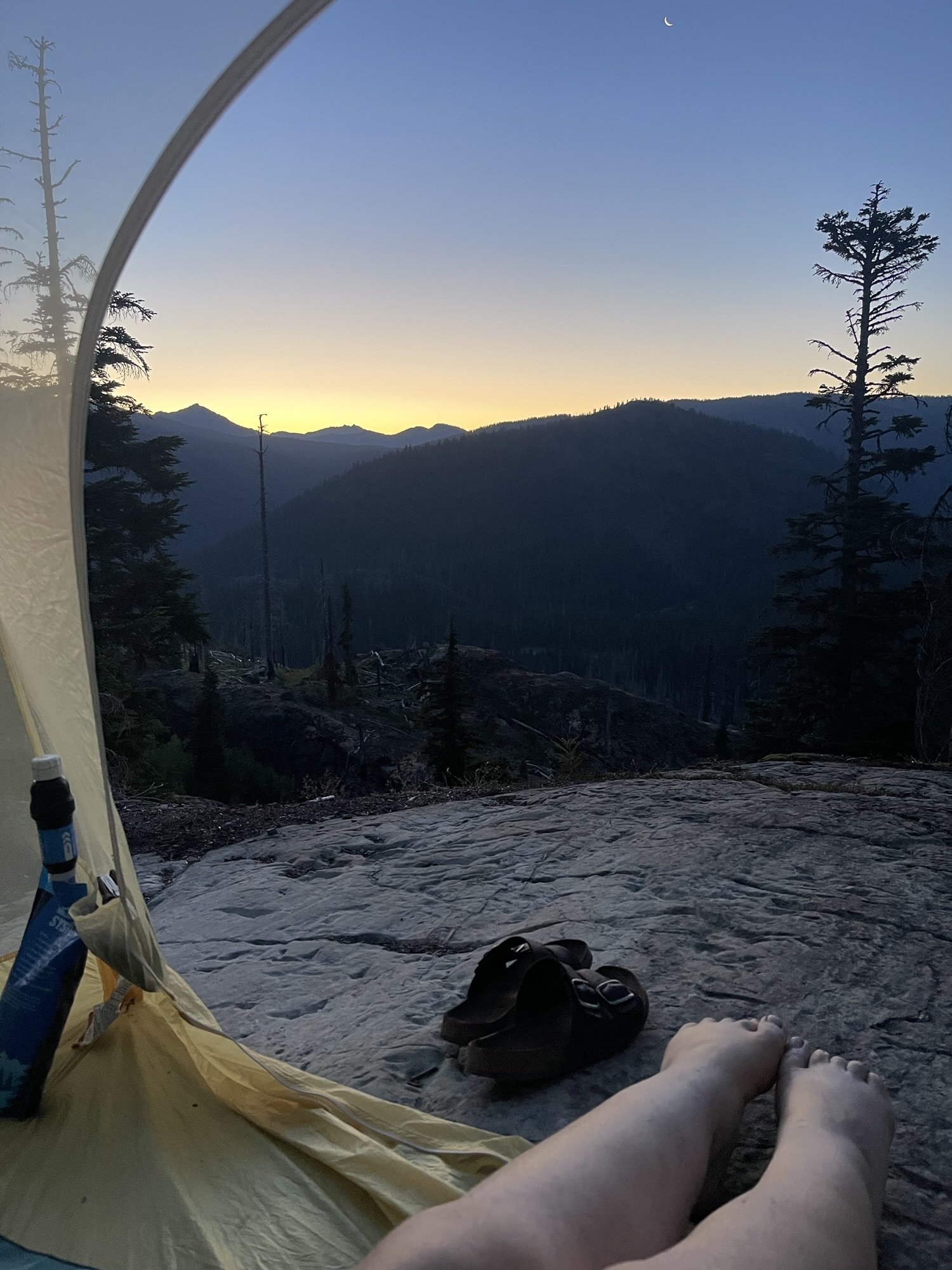
Image Source: Paige Combs, "Big Agnes Offers Amazing Views," 2023.
Cons:
Footprint is purchased separately
Heavier than other ultralight options, weighing in at 33 ounces
It can also be a bit bulky when setting up in smaller campsites
Sleep System - Western Mountaineering Versalite Sleeping Bag
The sleeping bag is the most important part of your gear. I have tried using two types on the PCT:
REI Flash Sleeping Bag - 1 lb 11 oz
Excellent for warm weather conditions + lightweight, terrible for cold weather
Mountain Hardwear Bishop Pass GORE-TEX Sleeping Bag - 2 lbs 10 oz
Loved the warmth, disliked the weight, and the zipper kept catching on the material
So far, none of them compare to the Western Mountaineering bag, which I plan to use for the entirety of the CDT.
Cons:
Drying the sleeping bag after washing
Cost
Zipper catches occasionally
It makes sense why it takes so long to dry out, but it worries me if I ever am in conditions where it might get wet.
Additional Sleep System Items
Not everyone uses a pillow. Personally, I think it's essential, not a luxury, so I didn't categorize it this way. In order to save money and save weight in your pack, you can go without and use a puffy, but it's up to you. I used a cheap child mat on PCT as my sleeping pad, and I didn't notice much of a difference aside from cost. Save the money and get it on Amazon.
A foam mat or inflatable sleeping pad - NEMO Equipment Switchback Sleeping Pad
Pillow - Sea to Summit Pillow
Generic sleeping bag liner (for more warmth if needed)
Cons:
Foam mat is expensive, get a cheaper one somewhere else for the same quality
Foam mat is less comfortable than inflatable, but inflatable adds weight and cost
Foam mat doesn't keep heat in as well as an inflatable
Pillow can slip if not strategically placed within your sleeping bag
Liner adds extra cost and weight to your overall kit
Food System - MSR Pocket Rocket Stove & Titan Kettle 900 ml
I like heated food options, period. If you are a cold soaker, I love that for you. However, I also am the kind of hiker that is willing to share my stove and warm food with you. Share my coffee or hot chocolate with you. I can't do what you do, and that's amazing.
MSR PocketRocket 2 Stove
MSR Titan Kettle - 900 ml
3.53 oz Fuel Canister
MSR Titan Long Spoon
Stove
I have few complaints about the stove. It sucks when your fuel runs out, and you are a day or two from a resupply. You'll start to improve at determining how much you use on the trail.
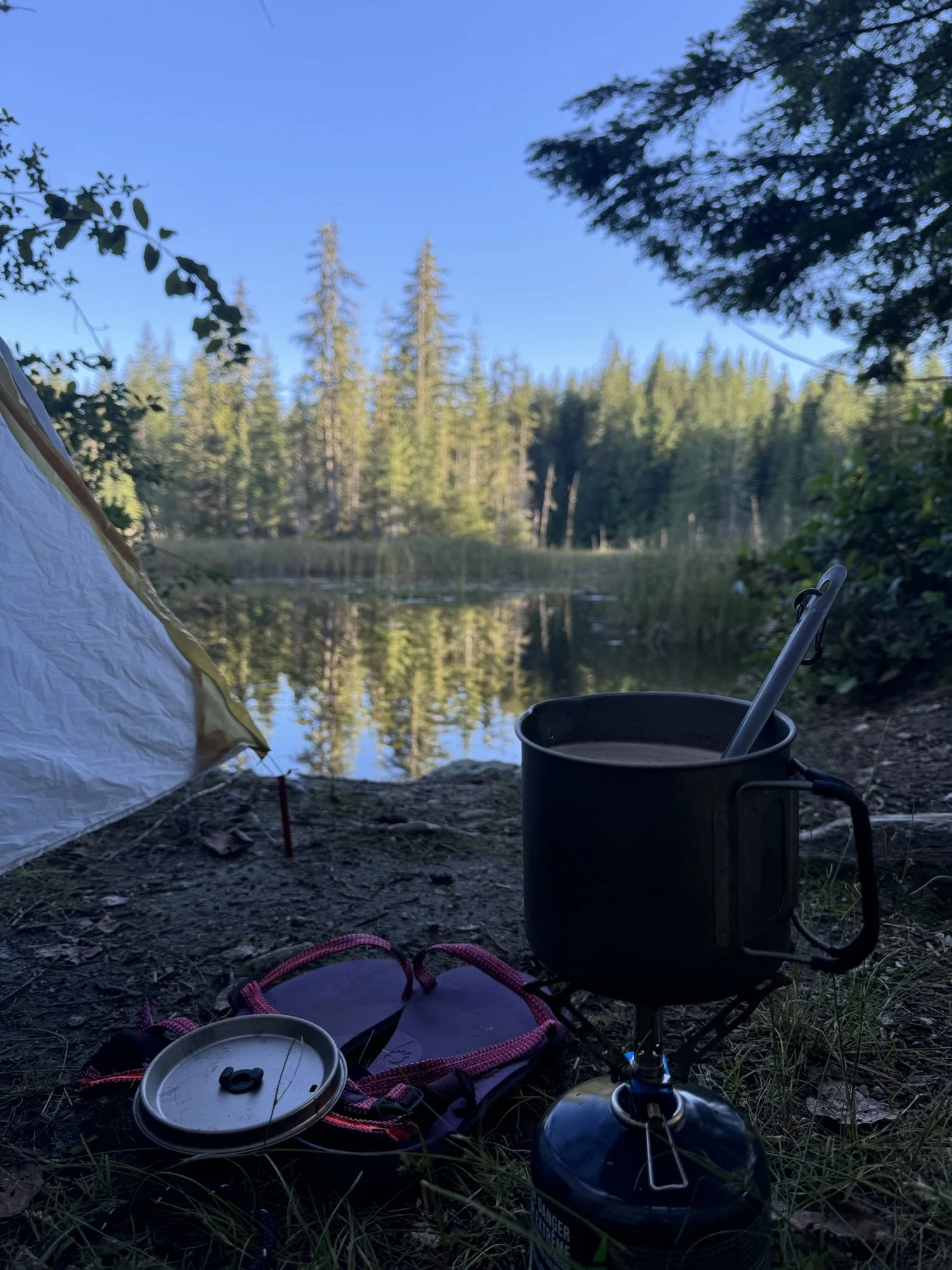
Image Source: Paige Combs "Cook Kit on Sunshine Coast Trail," 2024
Kettle
The sizing of my kettle is perfect. I like that it's big enough for noodles or a cup of coffee, but not too large to take up too much space with my gear. On the PCT I used a larger pot which was great to house my stove and kettle together, but it was a bit bulkier and took up more space. At that time I had a larger pack so it was fine, but now I have a 40L pack where I need to save every spec of space in every way possible. The Titan Kettle 900 ml is still big enough to hold a small fuel canister and my stove and not add on to my pack weight.
Spoon
There are lots of different spoons for trail. I like the long spoon. You can have a spork if you prefer, but I never had a moment where I regretted my decision. I might suggest having a unique identifier for your spoon (like a sticker), considering everyone on trail probably has this one. As y'all are sprawling on the floor, in front of stores, or on trail you might accidentally grab the wrong one.
Cons of Heating Kit:
Threading for pocketrocket can get worn over time and you'll need to buy a new one
You can always run out of fuel
Additional weight over cold soak
Additional cost over cold soak
Takes up more space in your bag
Clothing
Sleep Wear (optional)
I don't have big opinions on this one for you. There's nothing like that feeling of changing out of my hiking clothes for the day and into some cozy warm pants at night. This is my preference. There are better pants options for sleeping, but this pair I have the convenience of already owning since I purchased them while hiking in the Sierra. I will often sleep in my puffy, beanie, and socks from the day. Sometimes I take my socks off when I know I plan on changing them for the next day. This is a luxury I am not willing to sacrifice.
Rab Modulus Baselayer - Women's
Cons:
Weight is high 5.7 oz
Collects my body odor really well
Hiker Clothes (...maybe not so optional?)
You only need one outfit. This is your identifier. This makes you...you. Wear a fun shirt. Snazzy hat. Cool sunglasses. Shorts tend to be the default for lots of folks; however, pants are pretty common as well. Pants protect from pokey objects on the trail. Shorts offer breathability. You do you.
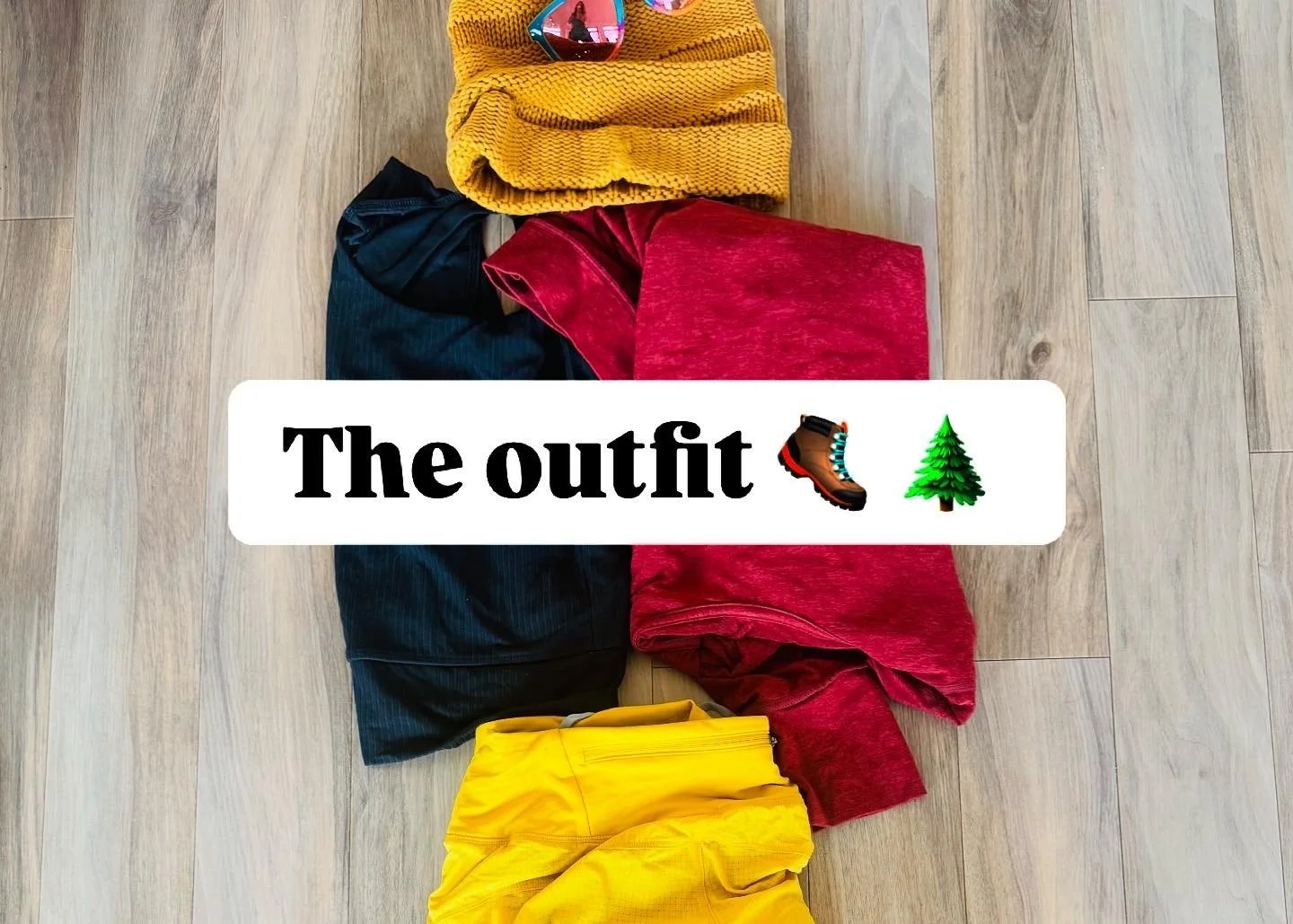
Image Source: Paige Combs, "My Hiking Outfit CDT," 2025.
Shoes...be careful with these. Find a pair that gives you enough space for your toes to move. Always go a half a size up! This is the hiker's secret to not killing your feet. Choose trail running shoes with a wide toe box. HOWEVER! I hike with someone who likes boots. He likes these; maybe you like them too. Again, you do you. But personally, trail runners create that lightweight feeling I need to go for long hiking days.
Beanie or baseball cap
Mai Tais Polarized Sunglasses
REI Co-op Active Pursuits Bra
Enlightened Equipment Torrid Jacket (couples as sleepwear & pillow)
Vuori Hoodie (also can be sun protection over sunblock)
Darn Tough Socks (company replaces these if they get holes - get these!)
REI Co-op Swiftland Running Shorts
Altra Women's Lone Peak 7 Trail Running Shoes (so far the only shoes that work for my wide feet, usually a 9, so went up to a 9.5)
Cons: There are never cons to style. People have worn wedding dresses on trail. Be you. Be comfortable.
Town Day Clothes (also optional)
You could wear your crusty month-old underwear after a shower, I'm sure. However, it's nice to get all those clothes out of your bag, off your body, and washed before starting a new section. Some people throw on their rain gear while they are washing clothes. Or if you're like Aquaman, wear a hotel bedsheet like a toga. I like having a loose outfit to jet around in for the day and my town/camp shoes.
Xero Shoes Z-Trail Sandals (also my camp shoes)
Dress, Shirt, Raingear, Towel, Bedsheet (the options are endless!)
Cons:
Weight in your bag
Sandals I struggle with the straps whenever getting out of the tent
Rain Gear (recommended)
I made the mistake of not having proper rain gear on the PCT and I hit a hurricane storm in NorCal right before Burney Falls. Learn from my mistakes. Have some rain gear and make sure your pack is waterproof or has coverage. It was cold. I borrowed a fellow hiker's things to just keep warm.
Outdoor Research Aspire II GORE-TEX Jacket (surprisingly lightweight for standard rainwear)
REI Co-op Trailmade Rain Pants
Cons:
Weight
Cost
Less airflow so more sweating
Just bring some dang pants and jacket already. Or wear a darn garbage bag if you're an ultralight fan.
Electronics / Technology
Luxury? Not luxury. With FarOut as your map, these days I consider technology a requirement. However! There are hikers who refuse to bring battery packs for their phones. I know hikers who have printed out instructions for their stops and their maps because when they thru-hike, they are not engaging with the material world. I don't blame them. One day, maybe I'll try it. Today is not that day.
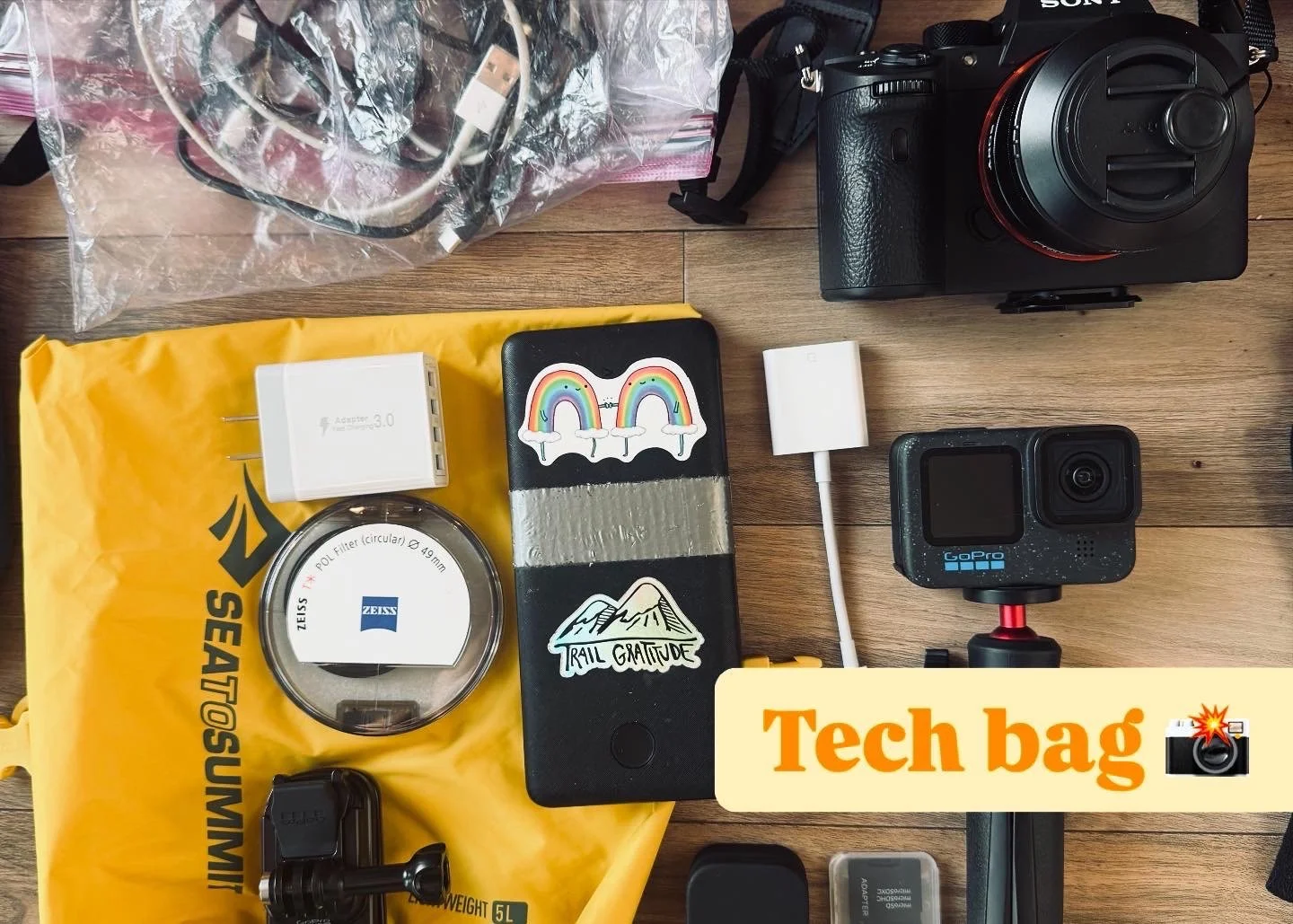
Image Source: Paige Combs "Technology Kit for CDT," 2025.
General
Cords for Charging (phone, earbuds, smartwatch, Garmin)
Anker Portable Charger (this recharges these main items for about a 5-day stretch)
Earbuds (corded or wireless)
Phone (for navigation)
USB Wall Charger (4-port) (more ports are ideal for charging your tech in town)
Cons:
This is a heavier charger; there are lighter-weight options than the portable charger I have. I like this one mostly because it's already a part of my gear kit.
The earbuds need to be recharged, so if you want to reduce battery recharge, you can get a pair of earbuds that are corded.
Photography (NEW)
Have you ever tried starting a new hobby on trail? This is new to me. If I didn't have my photography kit and gear, I'd probably be an ultralight packer. Okay. Maybe not ultralight....but pretty close! I have my gear kit outlined below, and honestly, I have nothing to tell you other than I researched the equipment from other blogs (this is why blogs are so cool!). People learn from others when they want to try something new. Take a look, I have no opinions. Maybe - not breaking it? I'll let you know after CDT.
GoPro Hero 12
Sony A7RIII
Extension Pole Tripod
Sony 49mm Circular Polarized Filter
Sony 35mm Sonnar Fixed Lens
SD Cards (mini and reg)
Battery Packs (GoPro and Camera)
Hyperlite Gear Pod (because I don't want to break it)
Peak Design Camera Clip (which clips my large camera to my pack)
Cons: Stay tuned.
Miscellaneous / Terrain Specific
Random assorted things that I have in my pack weight, but have no real home in my lists.
Zipper Pull Thermometer
Shoulder Strap Pocket (for my cell phone, ear buds, and small items)
Bungees (for attachments, but you could easily just grab some zip ties)
Lighttrek Hiking Umbrella (this is new for me, it'll help with the hot New Mexico sun and rain)
Pursuit Shock Trekking Poles
Kahtoola MICROspikes Traction System (for hazardous snow conditions)
Black Diamond Venom Ice Axe (for hazardous snow conditions)
Sea to Summit Dry Bags (various sizes for organization)
Bear Vault BV500 (for required sections to secure food)
Cons:
All of this is...yep...you guessed it. Extra money and weight.
Bear Vault is heavy… 40 ounces is a lot. Furthermore, I find that on a day-to-day basis, I prefer opening and closing it over the bag. And when I'm tired, I don't have to go find a strong tree to throw my food up in. Overall, this feels more secure and comfortable.
Toiletries / Emergency Aid
Finally...the toiletries. I feel like everyone really differs here. Initially on PCT I brought lots of small things, assuming I'd be bathing more, and I really didn't need it. You can always find stuff in hiker boxes, buy things in town, or borrow things from other hikers. You don't really need deodorant. All my clothes stink by the end of the day. Then I just wear them again and again until I'm in town.
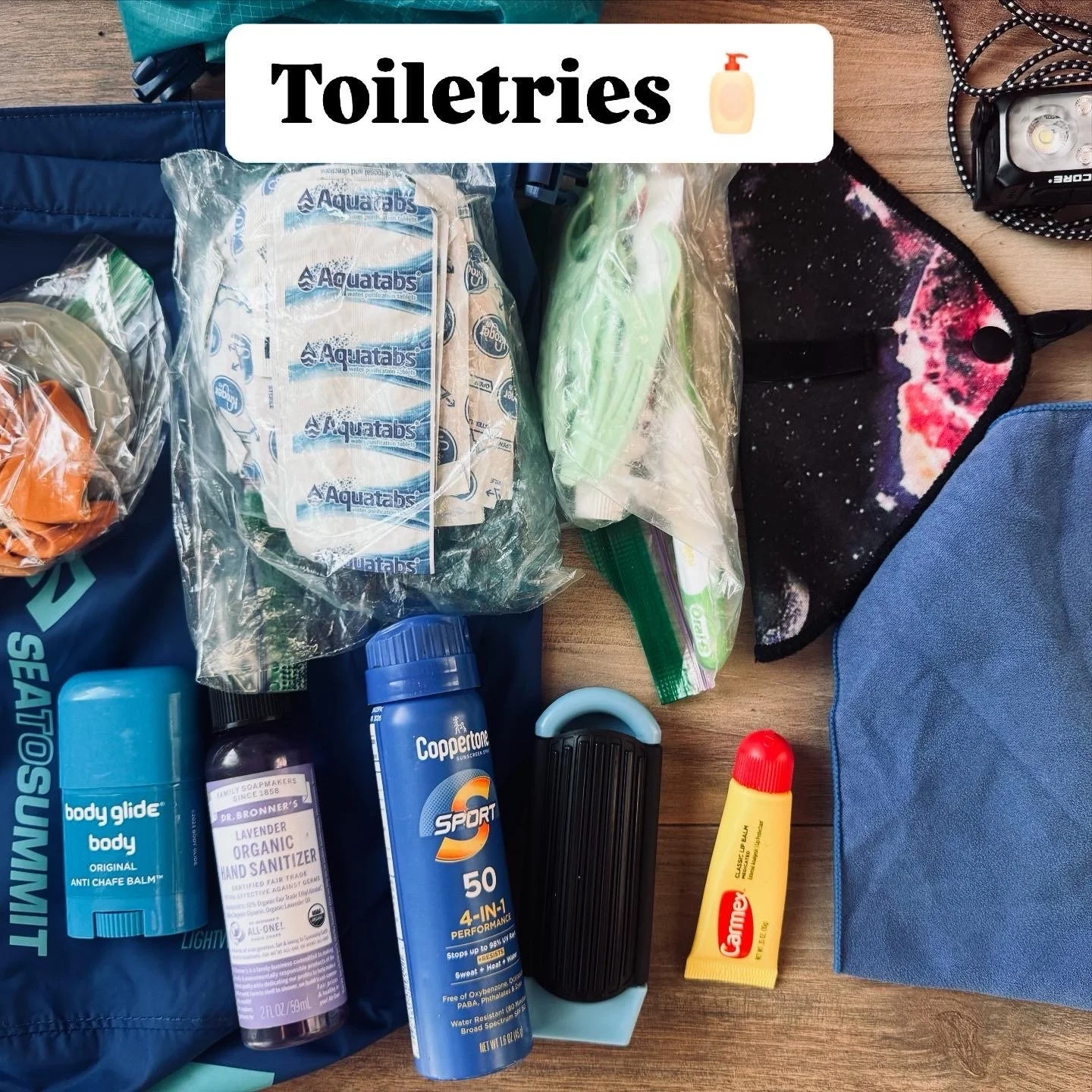
Image Source: Paige Combs, "Toiletries for CDT," 2025.
Bring the essentials for your body, and whatever you know you can't live without.
NU25 UL Headlamp (best and lightest weight option)
Swiss Camper Knife
Head Net (required if you want to survive mosquitoes)
Kula Cloth (highly recommend)
Bodyglide (for that chafe)
Hand sanitizer
Sawyer Squeeze Water Filter
Garmin InReach Mini II (worked well in Canada)
Toothbrush, toothpaste, traveler size, and dental floss
Deuce Trowel
Baby wipes
Aqua tabs (for emergencies if the filter fails)
Hair brush with mirror
Carmex
Small face towel
Flex period disc
Cons:
Here, anything you add is just extra weight. Consider your load and what you really need.
Whose land am I on? Learn why it’s important to respect the land we travel on.
